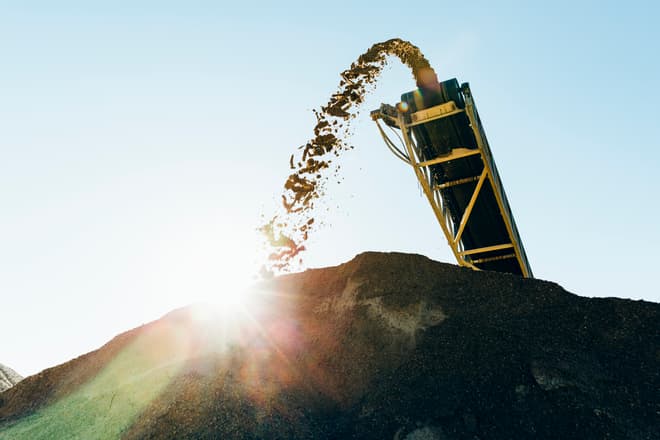
Concrete is an unavoidable material in most large construction projects, but the material is also a climate culprit, as large amounts of CO2 are emitted during its production. But new forms of concrete may create a greener future for large construction projects.
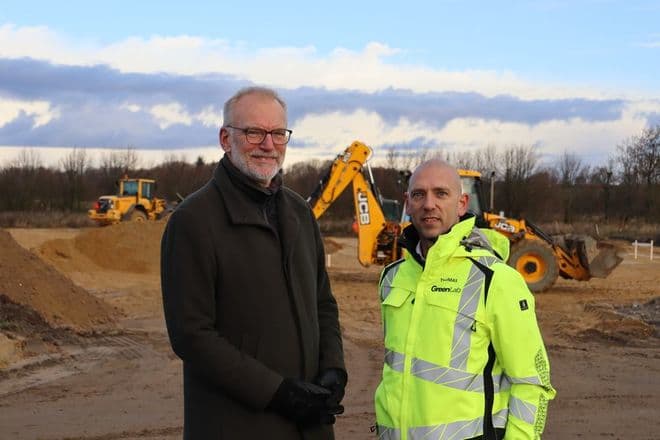
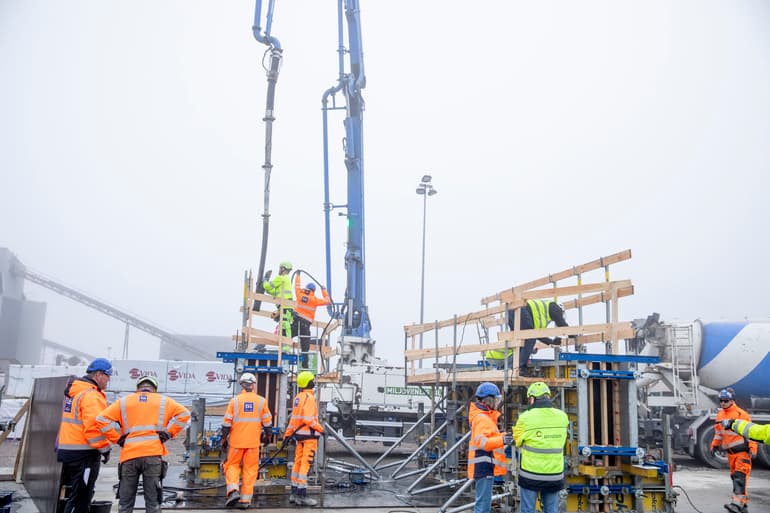
The Fehmarnbelt project is working to realize this future. The contractor consortium Femern Link Contractors, FLC, has made an area available and carried out a large test casting with a completely new type of concrete at the tunnel construction site at Rødbyhavn.
The test casting is part of a larger collaboration called CALLISTE on the concrete of the future, in which Femern A/S, the client of the Fehmarnbelt project, is participating together with Aalborg Portland A/S, Unicon A/S, the Danish Technological Institute, several universities, concrete suppliers and public and private developers. Fehmarn Bælt is the first major civil engineering company to test the new CO2-reduced concrete for megaproject construction.
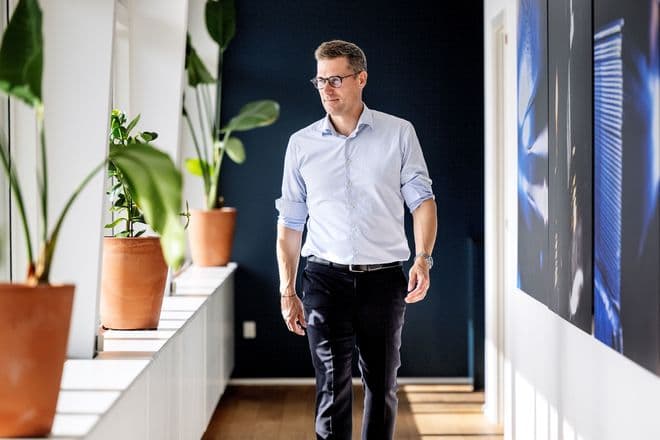
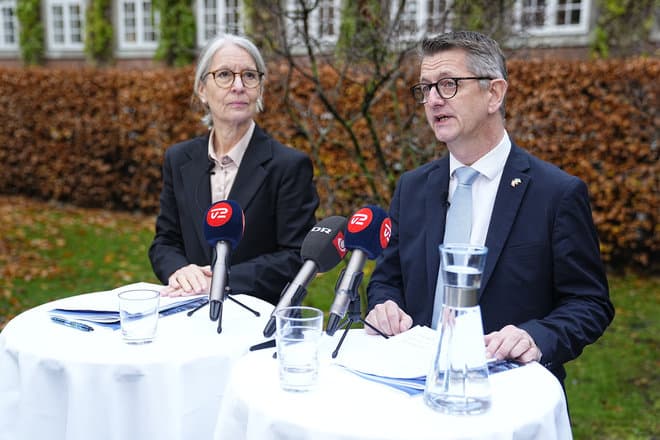
- We have strict requirements for strength and durability when it comes to the construction of megaprojects such as the Fehmarn Bælt Tunnel, and this applies especially when we build in the marine environment. At the same time, we are constantly focused on reducing the CO2-footprint of our construction, among other things through new technologies, and we would like to give extra impetus to the development of the concrete of the future, says Kim Smedegaard Andersen, Technical Deputy Director of the Fehmarn Bælt Project, in a press release.
Further development of Aalborg Portland cement
Aalborg Portland, which is a sub-supplier of cement for the Fehmarn Bælt Tunnel, has developed a cement type, Futurecem, that can so far reduce the CO2-footprint in concrete production by 25 percent compared to traditional concrete. This is done, among other things, by replacing part of the clinker content in the cement with specially treated clay and lime.
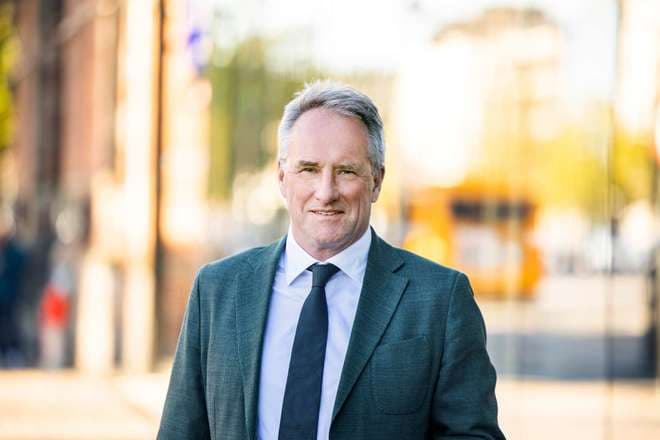
It is this technology that is being researched and developed further through the CALLISTE collaboration. The test casting on the Fehmarnbelt project is the first time that a type of concrete containing cement has been tried, where approximately 50 percent of the cement clinkers have been replaced by the special combination of clay and lime. This significantly reduces the CO2 footprint compared to concrete with the types of cement normally used in Denmark, says Pernille Nyegaard, center project manager at the Danish Technological Institute.
- This is the first time that we have cast with the new type of concrete on this scale, and thus we can thoroughly investigate the durability of the concrete. The experiment is important to demonstrate how the concrete performs in a real traffic environment with frost and salting, says Pernille Nyegaard.
If the CALLISTE project achieves the expected result, it opens up the possibility of using the new concrete with a reduced CO2 footprint in future construction projects, where concrete production weighs heavily in the CO2 account.
- As a state-owned company, we feel a special responsibility to contribute to a greener construction industry and develop new solutions that reduce the CO2 footprint. We look forward to sharing the results of the CALLISTE project with our partners and contractors, says Kim Smedegaard Andersen, Technical Deputy Director of the Fehmarnbelt Project.
amp
Text, graphics, images, sound, and other content on this website are protected under copyright law. DK Medier reserves all rights to the content, including the right to exploit the content for the purpose of text and data mining, cf. Section 11b of the Copyright Act and Article 4 of the DSM Directive.
Customers with IP agreements/major customer agreements may only share Danish Offshore Industry articles internally for the purpose of handling specific cases. Sharing in connection with specific cases refers to journaling, archiving, or similar uses.
Customers with a personal subscription/login may not share Danish Offshore Industry articles with individuals who do not themselves have a personal subscription to Danish Offshore Industry.
Any deviation from the above requires written consent from DK Medier.