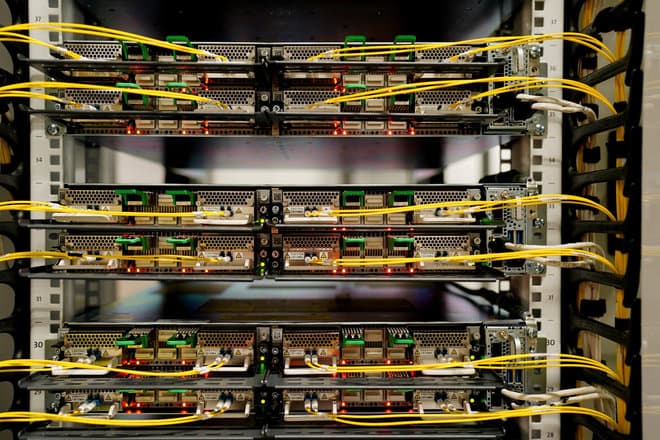
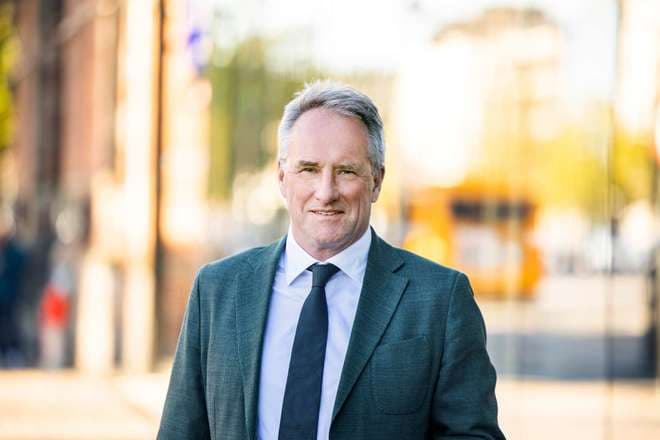
Although several internet cables in the Baltic Sea have been exposed to possible sabotage in recent months, it has only disrupted data traffic to a limited extent. This is because there are several cables with the same function, says Michael Brogaard Jensen, an expert in digital infrastructure at the Danish Society of Engineers.
- The internet is built with a robust structure consisting of lines and points, where the most important points - those that really distribute a lot of traffic around the world - have at least three or four alternative lines that they can use if one line is broken, he says.
In recent months, there have been reports of several breaks in fibre optic cables. Most recently, a cable between Latvia and Sweden was reported to have been damaged.
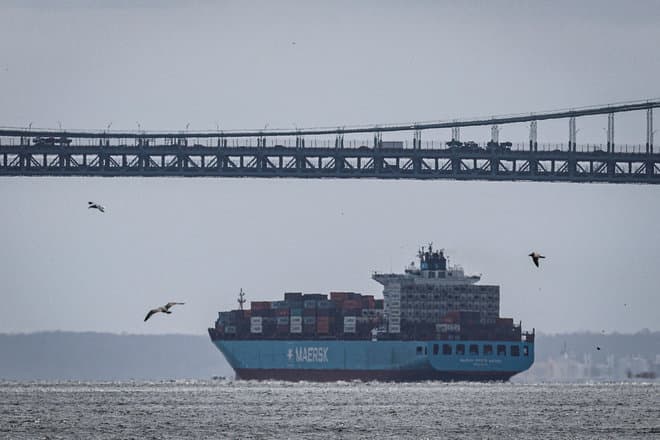
The Swedish intelligence service Säpo has seized a ship suspected of being behind it. In December, there were reports of damaged cables between Finland and Estonia. Finnish authorities suspect the vessel "Eagle S" of being involved.
Several simultaneous breaks can have serious consequences
But even though the damaged cables have had limited effects so far, according to Michael Brogaard Jensen, it could have serious consequences if the most central connections are put out of action at the same time.
- If you know which three strategic lines to cut at the same time, the consequences could be really big. This could mean that you could cut off areas or, in the worst case, entire countries from the rest of the world, he says.
The problem, according to the expert, is that there is no central, pan-European mapping of the most vulnerable internet connections.
- No one has a full overview of how the internet structure is put together. This is because private market forces control their own part of the internet in the countries where they establish the networks.
Michael Brogaard Jensen calls for a coordinated mapping at European level that identifies the most critical connections.
- It would be a good idea if the European authorities for data and telecommunications got together and at least got an overview of where the vulnerability is greatest. Then we can consider what can be done to protect the most critical nodes for data traffic, he says.
/ritzau/
Text, graphics, images, sound, and other content on this website are protected under copyright law. DK Medier reserves all rights to the content, including the right to exploit the content for the purpose of text and data mining, cf. Section 11b of the Copyright Act and Article 4 of the DSM Directive.
Customers with IP agreements/major customer agreements may only share Danish Offshore Industry articles internally for the purpose of handling specific cases. Sharing in connection with specific cases refers to journaling, archiving, or similar uses.
Customers with a personal subscription/login may not share Danish Offshore Industry articles with individuals who do not themselves have a personal subscription to Danish Offshore Industry.
Any deviation from the above requires written consent from DK Medier.