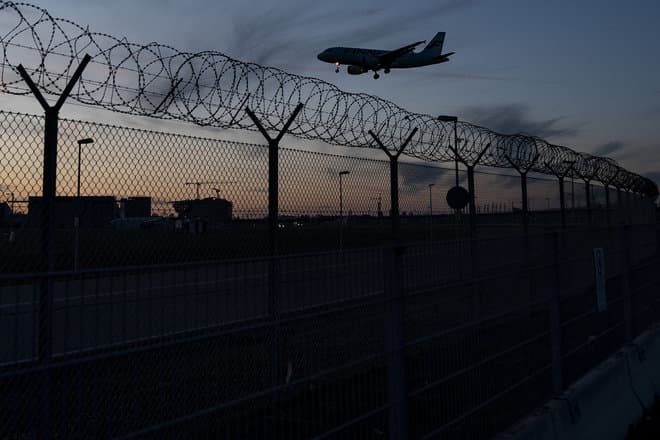
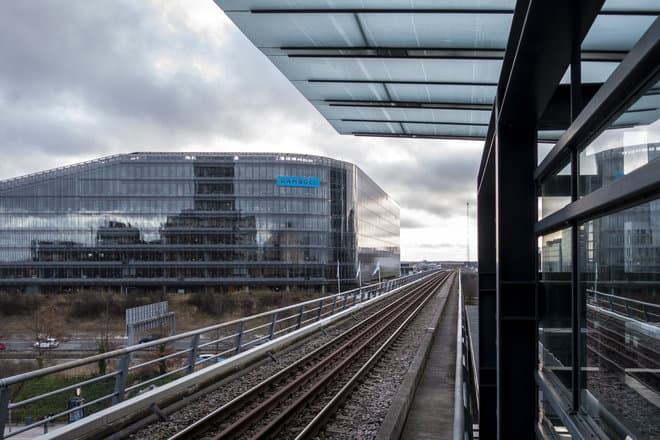
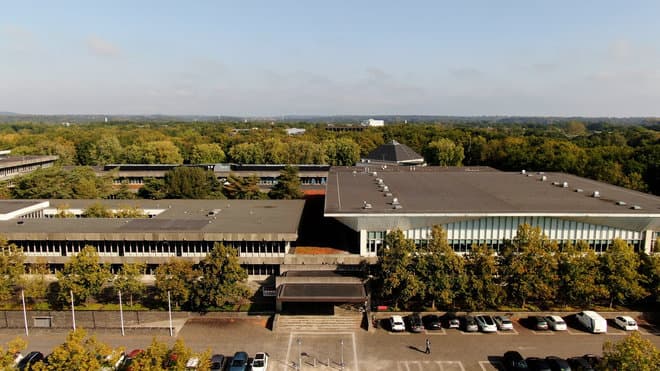
The airport in the Swiss city of Zurich has put a test facility with vertical solar panels into operation as part of the company's plan to achieve net zero greenhouse gas emissions by 2040. The project is to clarify the potential of so-called solar fences, which both produce electricity and function as physical shielding. This is what Zurich Airport writes in a press release.
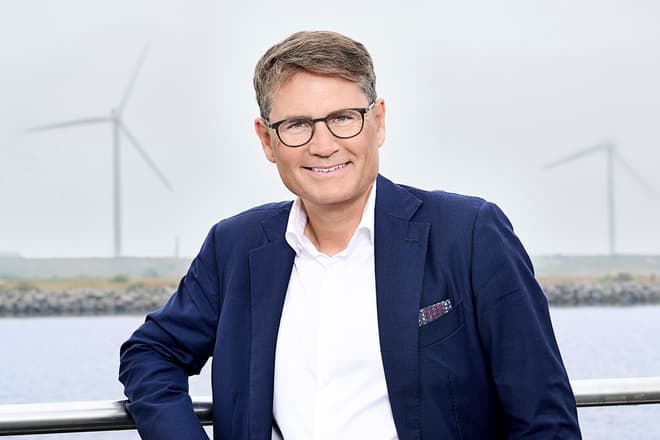
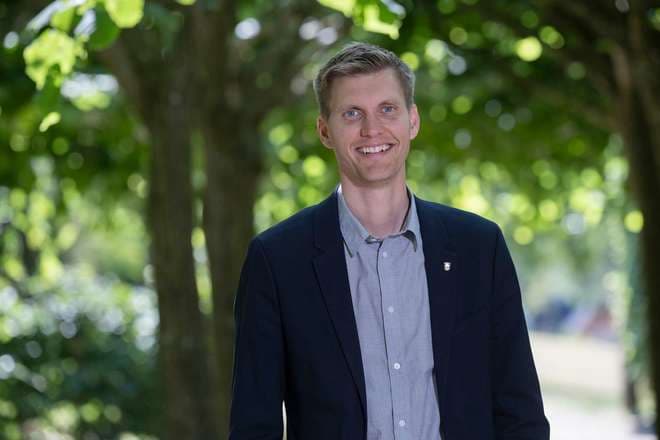
- In a first step, we want to gather experience with the vertically installed solar systems and assess whether the technology can also be used in other places. Parking areas are an obvious example, says Guido Hüni, head of energy and decarbonization at Zurich Airport.
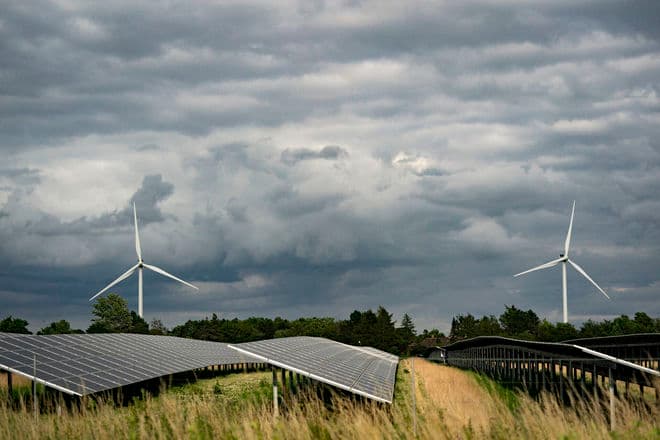
The test facility is installed at a disused security barrier close to the airport's heating system. The purpose is to assess the efficiency, weather resistance and how the solar fence can be integrated into daily operations. According to Zurich Airport, vertical solar panels allow for power production on both sides of the panel, which can increase the yield by 10 to 30 percent. compared to traditional, horizontal systems. At the same time, the electricity production is distributed more evenly throughout the day.
Zürich Airport sees solar energy as a central element in the strategy to reduce CO2 emissions. The electricity that the airport does not produce itself already comes from renewable sources. With new projects in the field of solar energy, the proportion of self-produced electricity will also increase significantly.
– The production of solar energy is to increase almost 20-fold by 2040 compared to the level in 2024. This will increase both the production of renewable energy and the degree of self-sufficiency, says Guido Hüni.
There are currently solar cell systems on 12 buildings at the airport. A preliminary analysis shows that a further 40 roofs could be suitable for new systems. However, this requires that the solar panels do not dazzle pilots or employees in the control tower. When the expansion is complete, the solar cell systems are expected to be able to produce electricity equivalent to the annual consumption of 5,000 households.
jel
Text, graphics, images, sound, and other content on this website are protected under copyright law. DK Medier reserves all rights to the content, including the right to exploit the content for the purpose of text and data mining, cf. Section 11b of the Copyright Act and Article 4 of the DSM Directive.
Customers with IP agreements/major customer agreements may only share Danish Offshore Industry articles internally for the purpose of handling specific cases. Sharing in connection with specific cases refers to journaling, archiving, or similar uses.
Customers with a personal subscription/login may not share Danish Offshore Industry articles with individuals who do not themselves have a personal subscription to Danish Offshore Industry.
Any deviation from the above requires written consent from DK Medier.