The government has submitted a bill to stop misleading marketing in the form of so-called "greenwashing".
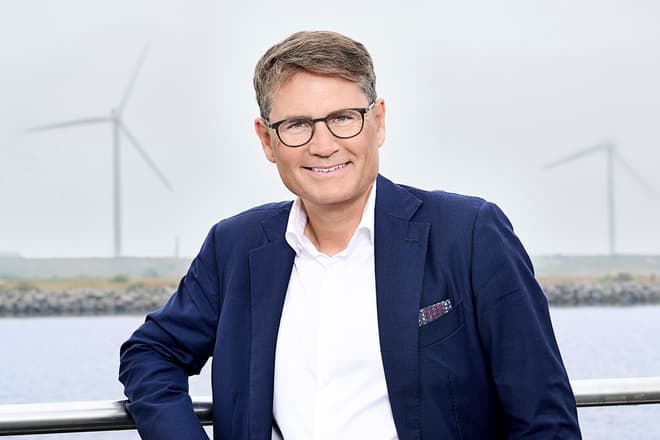
- We must put an end to misleading green marketing. Because the consequences are far more far-reaching than being harmful to our environment, says Minister of Industry and Trade Morten Bødskov (S) in a press release.
The bill, which is an implementation of an EU directive, was first read in the Folketingsalen on Wednesday. If it is adopted, companies will not be allowed to use words like green, sustainable or environmentally friendly about products from September next year if they cannot document it.
Greenwashing is specifically about companies painting a beautiful picture of their efforts for the environment and climate to a degree that it cannot actually bear.
- It distorts competition, and it puts companies that are actually green at a much worse competitive disadvantage, says Morten Bødskov.
Several large companies have been accused
As late as Tuesday, the Danish Consumer Council accused the airline SAS of greenwashing and reported the company to the Consumer Ombudsman for violating the Marketing Act. SAS offers its customers a number of rewards and the title of conscious traveler if you complete ten steps.
This could be, for example, watching a video about "future aviation", buying "environmentally conscious" products in a shop or adding an optional amount of biofuel to your trip.
According to the Danish Consumer Council Think, this misleads the consumer into believing that small actions can compensate for the CO2 that the flight entails.
- This is misleading the consumer in the worst possible way. You do not make your flight less environmentally damaging by buying solar-powered electronics or plant-based detergent, said Director of the Danish Consumer Council Think Winni Grosbøll in a press release on Tuesday.
Alexandra Kaoukji, who is the press officer at SAS, denied to Jyllands-Posten that the company is engaging in greenwashing.
Last year, the Dutch airline KLM was convicted of greenwashing. This happened, among other things, because KLM had exaggerated the importance of how sustainable the company's aviation fuel was.
In December last year, BMW Denmark agreed to pay a fine of three million kroner for misleading marketing. At that time, BMW Denmark was reported to the police by the Consumer Ombudsman after using the statement "the world's most sustainable car manufacturer" in its marketing.
Last year, another car manufacturer, Mercedes-Benz Denmark, agreed to pay a fine of one million kroner for having marketed cars with misleading environmental claims in three cases. The Consumer Ombudsman also reported this case to the police.
Also last year, the slaughterhouse giant Danish Crown was convicted of violating the Marketing Act by using the term "climate-controlled pig".
/ritzau/
Text, graphics, images, sound, and other content on this website are protected under copyright law. DK Medier reserves all rights to the content, including the right to exploit the content for the purpose of text and data mining, cf. Section 11b of the Copyright Act and Article 4 of the DSM Directive.
Customers with IP agreements/major customer agreements may only share Danish Offshore Industry articles internally for the purpose of handling specific cases. Sharing in connection with specific cases refers to journaling, archiving, or similar uses.
Customers with a personal subscription/login may not share Danish Offshore Industry articles with individuals who do not themselves have a personal subscription to Danish Offshore Industry.
Any deviation from the above requires written consent from DK Medier.