Plastic waste from bottles and clothes can help suck CO2 out of the air. Researchers from the University of Copenhagen have made this possible with a new technology.
The technology gives plastic waste a chemical composition that allows it to effectively pull CO2 out of the air and bind it.
The technology involves transforming used PET plastic, which is one of the most widely used in the world, into a new material that the researchers call Baeta.
It is the Baeta material that is capable of effectively sucking CO2 out of the atmosphere.
The plastic is capable of this to such an extent that the method can compete with existing technologies for storing CO2, it is said.
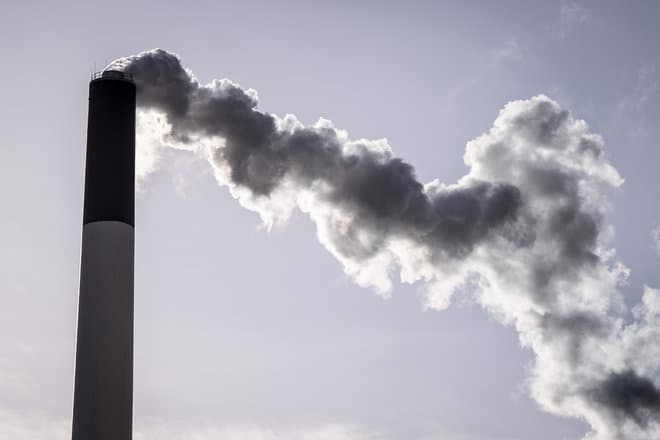
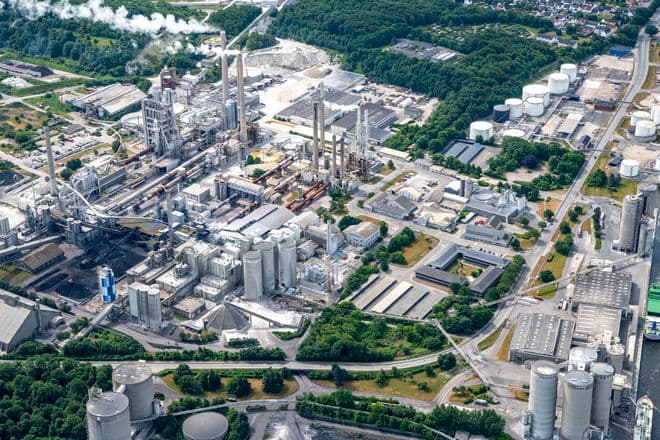
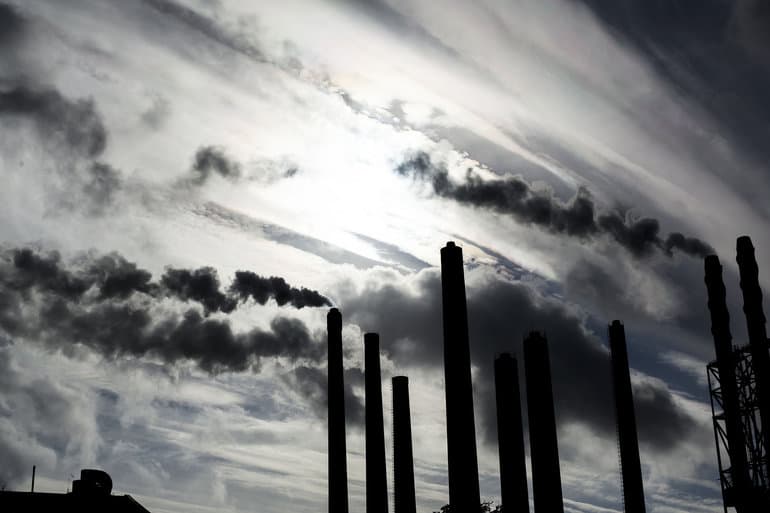
The plan is initially for the material from plastic waste to be mounted on industrial plants so that the emissions from chimneys pass through and the CO2 is captured so that it does not end up in the atmosphere.
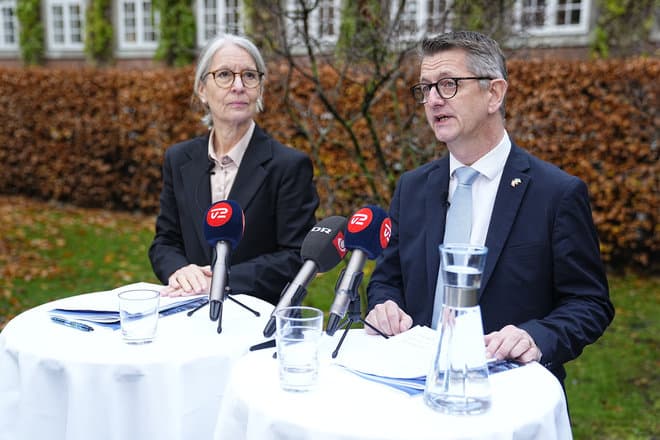
This is explained by Professor Ji-Woong Lee at the Department of Chemistry at the University of Copenhagen, who is one of the researchers behind the project.
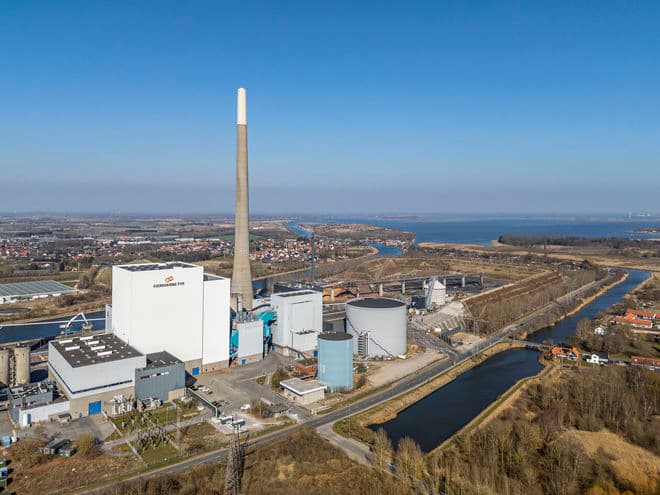
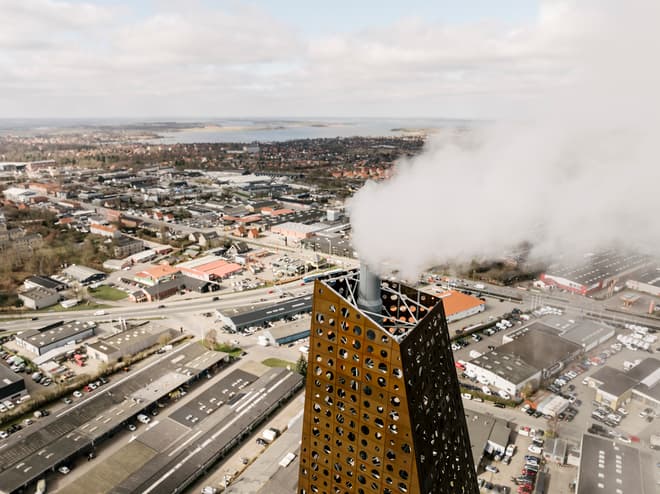
- At the chimney on Amager Bakke, for example, there is 8 to 15 percent CO2. By using this box, which looks like soda bottles squeezed together into a square, we can store almost 100 percent of that CO2, he says.
The Baeta material can withstand temperatures up to 150 degrees, which makes it suitable for handling the high temperatures from factory chimneys.
- The next steps are to scale up and produce the material in tons rather than kilograms, says Ji-Woong Lee.
The researchers emphasize that it makes sense to use plastic waste that cannot be recycled and turned into new plastic. Here, they point to some of the plastic that floats around the world's oceans as a valuable resource.
With the technique, the researchers have tried to find a solution to both the increasing CO2 concentrations in the atmosphere and the occurrence of plastic in nature and the oceans.
According to Ji-Woong Lee, the technique kills two birds with one stone. The solution helps turn an environmental problem into a solution to the climate crisis, he says.
- You tend to create more problems when you try to solve the problems with plastic in nature and CO2 in the atmosphere. Here is a solution to both problems, he says.
The project is supported by the Novo Nordisk Foundation's CO2 Research Center in collaboration with Niels Christian Nielsen's research group at Aarhus University.
/ritzau/
Text, graphics, images, sound, and other content on this website are protected under copyright law. DK Medier reserves all rights to the content, including the right to exploit the content for the purpose of text and data mining, cf. Section 11b of the Copyright Act and Article 4 of the DSM Directive.
Customers with IP agreements/major customer agreements may only share Danish Offshore Industry articles internally for the purpose of handling specific cases. Sharing in connection with specific cases refers to journaling, archiving, or similar uses.
Customers with a personal subscription/login may not share Danish Offshore Industry articles with individuals who do not themselves have a personal subscription to Danish Offshore Industry.
Any deviation from the above requires written consent from DK Medier.