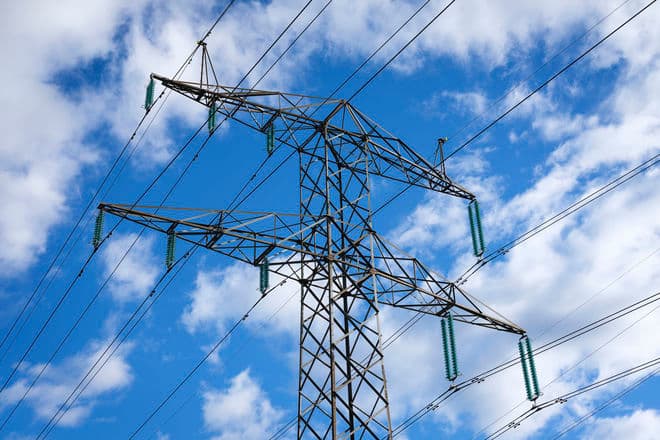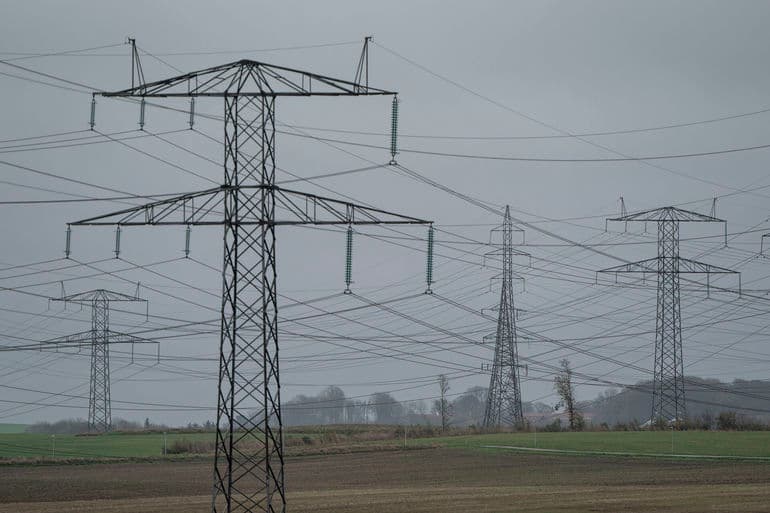
It will be slightly more expensive for both electricity consumers and electricity producers to use the electricity grid. From 2025, Energinet has decided to raise tariffs. The prices are due to increased pressure on the electricity grid, as well as price increases for cables and other technical equipment that will be used for upgrades to the electricity grid. This is stated by the state-owned company in a press release.
Specifically, Energinet has set electricity consumers' tariffs for 2025 at 13.5 øre/kWh. This is an increase of 1.0 øre/kWh compared to 2024. And in round numbers this corresponds to an increase of 40 kroner per year for an ordinary household.
In addition to paying fixed tariffs per kilowatt-hour used, so that Energinet can operate the overall Danish electricity system and maintain and expand the electricity transmission network, electricity consumers must also pay the annual system subscription, which in 2025 will be price-regulated to 182 kroner per consumption metering point.
Electricity producers will also experience changed tariffs in 2025. The feed-in tariff, which electricity producers pay to send electricity to the grid, will be the same for all producers in 2025 and will be set at 0.5 øre/kWh. It is uniform because the geographical differentiation is expected to be abolished from next year. In addition, Energinet is raising the electricity producers' balancing tariff from 0.24 to 0.65 øre/kWh, so that electricity producers will be charged 1.15 øre/kWh in total in 2025.
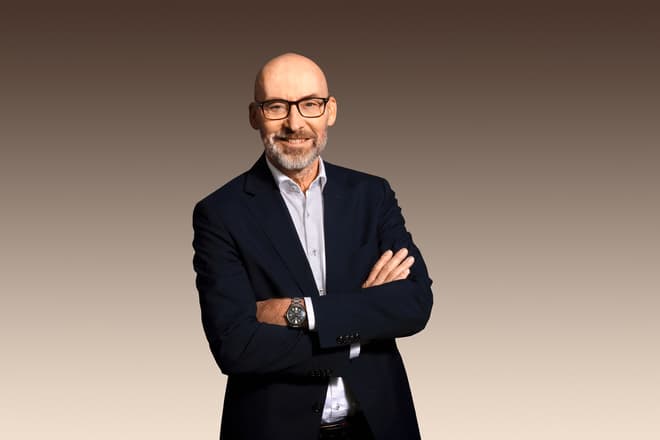
- The green transition has accelerated all over the world. In many places, very significant expansions of the electricity grid and major changes in the way we secure supply and balance production and consumption will have to take place. This means that Energinet's costs for expanding the Danes' electricity grid and ensuring that consumers have power in their sockets will also increase. I am fully aware that tariff increases have negative consequences in many places, but it is necessary to expand the electricity system, which is the entire foundation of the green transition, otherwise we will not reach our goal, says Marie Budtz Pedersen, area manager at Energinet.
Electricity producers must pay a larger share of the costs
For decades, electricity consumers have borne the majority of society's costs of operating and expanding the Danish electricity transmission grid. But electricity producers must now contribute to a greater extent to the total costs.
The electricity producers' share of the tariff charges that Energinet collects in 2025 will increase by 3 percentage points - from approximately four percent to seven percent. The remaining 93 percent will continue to be paid by electricity consumers.
The producer payment was introduced in 2023, after the Danish Parliament decided that electricity producers must pay a larger share of the total costs for, among other things, the expansion and maintenance of the grid. In 2025, the connection fee that new electricity producers, such as solar parks or wind turbines, must pay to be connected to the electricity transmission grid will also increase significantly, in fact up to 70 percent.
- The rapid acceleration of the green transition is pushing up prices for, for example, cables, wires, transformers and other technical equipment that we need to expand the electricity grid. We are experiencing significant price increases, and this has the consequence that the connection fee and thus the one-time payment that new solar parks and wind turbines must pay as a contribution to the expansion of the electricity grid will increase by 60-70 percent in 2025. These are large increases that, unfortunately, can have very negative consequences for installers of solar parks and wind turbines, says Marie Budtz Pedersen.
amp
Text, graphics, images, sound, and other content on this website are protected under copyright law. DK Medier reserves all rights to the content, including the right to exploit the content for the purpose of text and data mining, cf. Section 11b of the Copyright Act and Article 4 of the DSM Directive.
Customers with IP agreements/major customer agreements may only share Danish Offshore Industry articles internally for the purpose of handling specific cases. Sharing in connection with specific cases refers to journaling, archiving, or similar uses.
Customers with a personal subscription/login may not share Danish Offshore Industry articles with individuals who do not themselves have a personal subscription to Danish Offshore Industry.
Any deviation from the above requires written consent from DK Medier.