A question to the chatbot ChatGPT uses about ten times more energy than a search on Google. The use of artificial intelligence (AI), on which tools like ChatGPT are built, is expected to increase significantly in the coming years. More and more industries are using it. This means that the energy consumption from artificial intelligence will increase even more.
This has been highlighted several times as one of the concerns about the rise of AI. The world is already lagging behind in terms of climate goals. Therefore, the amount of energy used on AI has raised eyebrows.
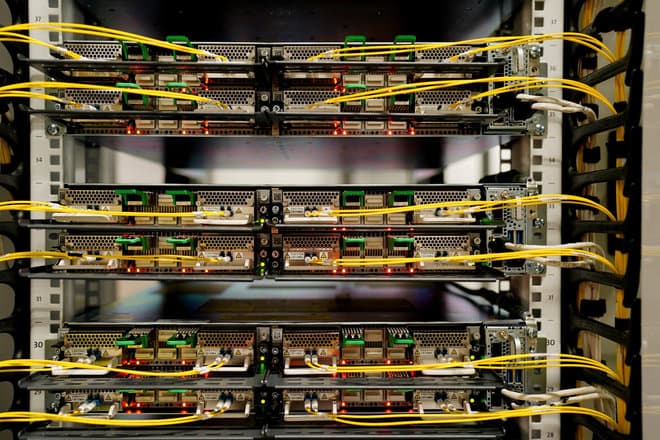
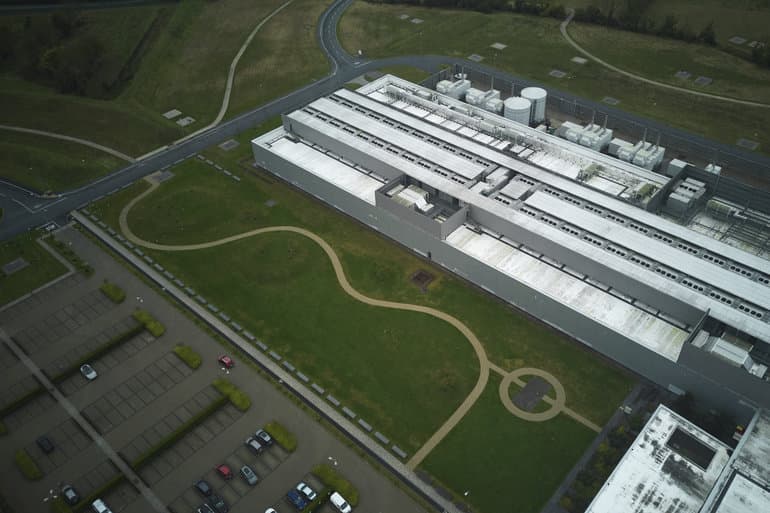
The global consumption of electricity from large data centers for AI, for example, is expected to more than double over the next five years. According to the International Energy Agency, IEA, by 2030, data centers will use as much energy as the whole of Japan does today.
AI can ensure a decrease in emissions in the long term
But maybe it's not such a big problem after all. In any case, a new report indicates that if AI is used correctly and effectively, it can more than offset the increased energy consumption.
Researchers from the British climate institute Grantham Research Institute on Climate Change and the Environment have taken a closer look at AI's potential. They conclude that artificial intelligence can reduce global greenhouse gas emissions by 3.2 to 5.4 billion tons annually by 2035. The world emits approximately 40 billion tons of CO2 per year.
The researchers conclude that if AI is optimally applied in several key areas, the lower emissions will "compensate for increased global energy consumption from data centers and AI."
- The world faces an unprecedented opportunity to use AI as a catalyst to cut greenhouse gas emissions faster and for the transition away from fossil fuels, says Nicholas Stern, head of the climate institute, in a press release.
There are several areas where AI can contribute to reducing CO2 emissions. In the energy sector, for example, AI models can improve the efficiency of renewable energy systems.
AI models can also be used directly to improve the design and implementation of climate policies. The models can make predictions based on complex scenarios or monitor the effectiveness of a given policy.
They can also run large-scale simulations. This can help manage the climate changes that come with a warmer planet.
AI is already being used to improve warning systems for extreme weather, such as floods and wildfires. This makes it easier for governments and local communities to act before extreme weather sets in. This can save lives and lower costs.
IEA also sees opportunities
The International Energy Agency has also noted that AI will cause data center energy consumption to increase and CO2 emissions to increase. But the IEA also sees good opportunities for the higher emissions to be offset if AI is used widely and effectively for technology.
The IEA also points out that AI will become a more important tool for making new scientific discoveries. This can contribute to progress in areas that are important in the green transition.
According to the report from the Climate Institute, the energy, transport and food sectors account for around 50 percent of global CO2 emissions annually.
The researchers point out that the sectors are, on the other hand, very interconnected. Therefore, more efficient solutions in one sector thanks to AI will "without a doubt" also lead to technological advances in other areas.
With the right cooperation between governments, tech companies and the energy industry, AI can be used to speed up the green transition. Not hinder it, they state.
/ritzau/
Text, graphics, images, sound, and other content on this website are protected under copyright law. DK Medier reserves all rights to the content, including the right to exploit the content for the purpose of text and data mining, cf. Section 11b of the Copyright Act and Article 4 of the DSM Directive.
Customers with IP agreements/major customer agreements may only share Danish Offshore Industry articles internally for the purpose of handling specific cases. Sharing in connection with specific cases refers to journaling, archiving, or similar uses.
Customers with a personal subscription/login may not share Danish Offshore Industry articles with individuals who do not themselves have a personal subscription to Danish Offshore Industry.
Any deviation from the above requires written consent from DK Medier.