Today, March 24, CO2 Storage Kalundborg begins mapping the subsoil on land. The studies will determine whether CO2 can be stored in the area in the long term to reduce climate change. This is what CO2 Storage Kalundborg writes in a press release.
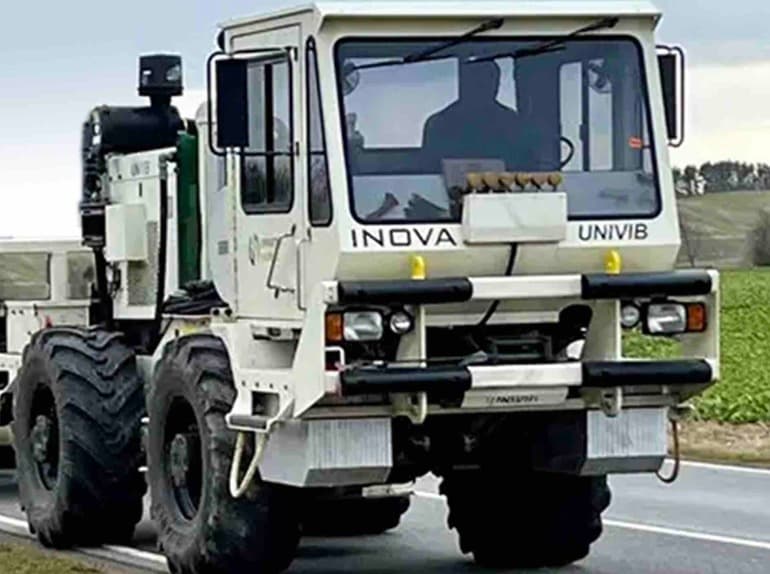
The first vehicles will move into the study area and use vibration equipment to generate sound waves into the subsoil. The sound waves are reflected back from the different soil layers and are picked up by geophones on the surface. This will allow a detailed map of the geology to be created.
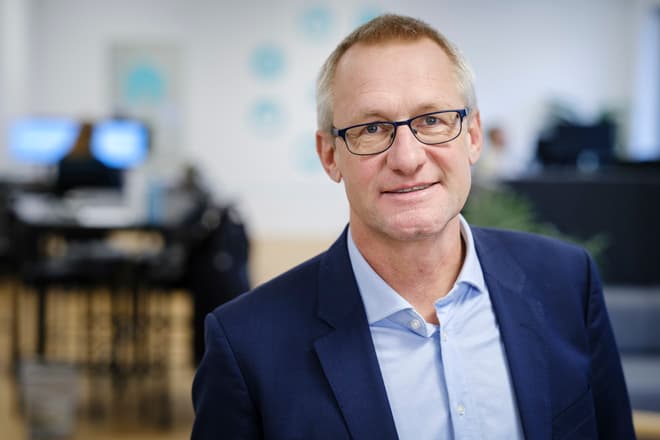
- This is an important milestone for us, and we look forward to starting the work. There must be certainty as to whether the subsoil is suitable for storing CO2 or not. We have no interest in storing CO2 unless it can be done safely and responsibly, says project manager for CO2 Storage Kalundborg Ulrik Olbjørn.
The surveys this week include Havnsø, Nekselø and Saltbæk Vig, and the mapping is expected to continue throughout the area through April. In parallel, surveys on the water have been underway since March 7.
- It is too early to determine whether CO2 can be safely and permanently stored in this area. If so, it will be a major contribution to Denmark's climate ambitions. But first it must be clarified whether the subsoil is suitable, says Ulrik Olbjørn.
The mapping has been made possible through agreements with local landowners, and the dialogue with them continues as the studies develop.
- We would like to acknowledge the good dialogue we have with the many landowners in the area. We greatly appreciate that, and we will continue the dialogue in the future. It was great to see so many at our Open House on March 16, where we had the opportunity to show vehicles and geophones to the many participants, says Ulrik Olbjørn.
The studies are being carried out by the Polish contractor Geofizyka Toru?, which has more than 50 years of experience with mapping the subsoil in large parts of the world.
jel
Text, graphics, images, sound, and other content on this website are protected under copyright law. DK Medier reserves all rights to the content, including the right to exploit the content for the purpose of text and data mining, cf. Section 11b of the Copyright Act and Article 4 of the DSM Directive.
Customers with IP agreements/major customer agreements may only share Danish Offshore Industry articles internally for the purpose of handling specific cases. Sharing in connection with specific cases refers to journaling, archiving, or similar uses.
Customers with a personal subscription/login may not share Danish Offshore Industry articles with individuals who do not themselves have a personal subscription to Danish Offshore Industry.
Any deviation from the above requires written consent from DK Medier.