Driving routes to wind turbine elements are lagging :
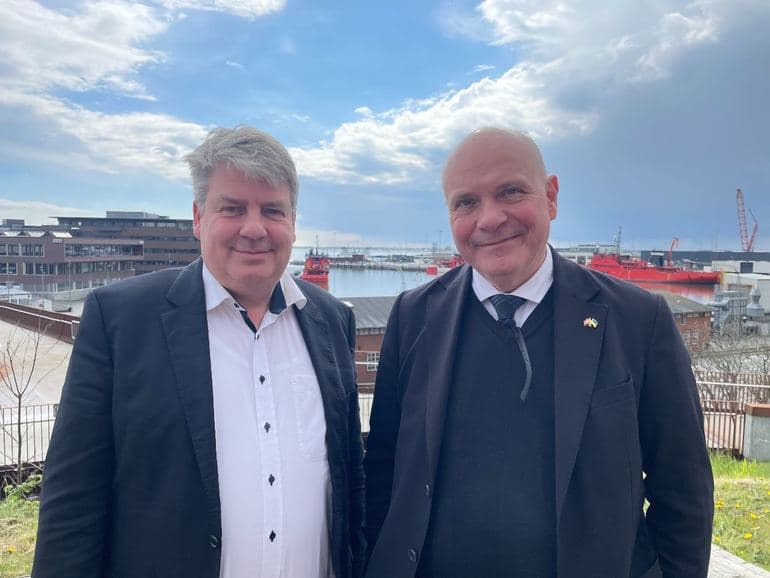
Søren Gade and port director: Remember the Port of Esbjerg now

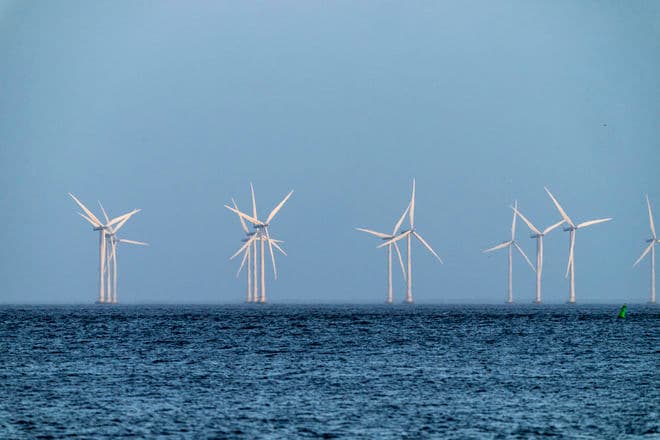
The Port of Esbjerg is the world's largest shipping port for wind turbine parts, and forecasts indicate that the port will remain a central port for wind. 13.5 GW, which will be installed by 2030, has been booked for shipping, the port says. These are primarily English and German projects.
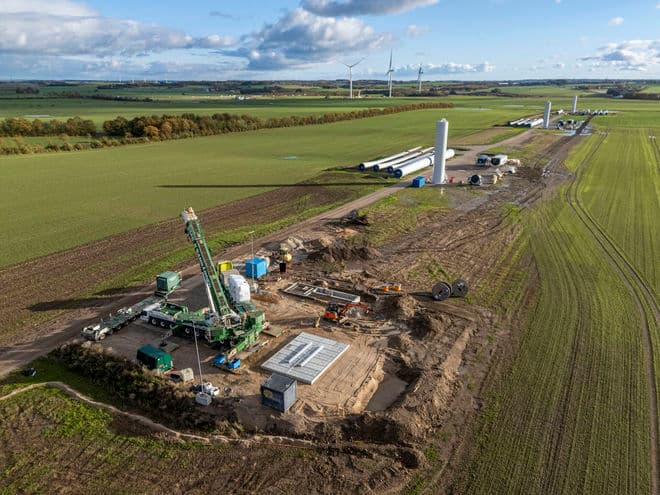
But the turbine parts are getting bigger and bigger, and transport to Esbjerg is becoming increasingly difficult.
In May, recommendations are expected from the port partnership on how Denmark's commercial ports should be developed in the future. In the wake of the announcement that the Port of Frederikshavn will be made municipal, as a result of a debt amounting to around 1.7 billion. kr, it is important not to forget the successful port of Esbjerg and its challenges with the road network.
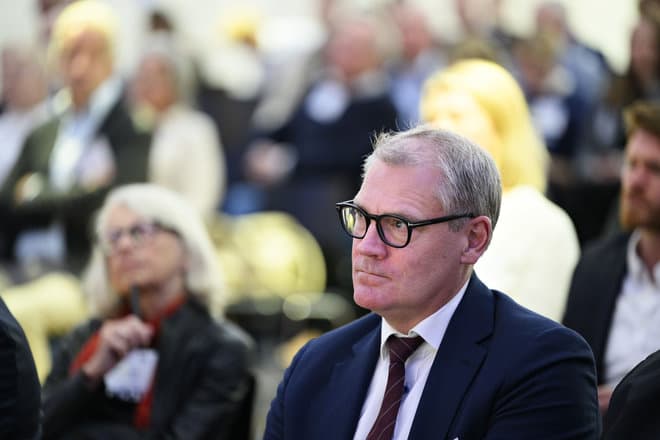
The chairman of the board of the Port of Esbjerg, Søren Gade, therefore sees several reasons why the roads to the driving route to the port for turbine parts must be secured.
- This must be solved. It must be done both for the citizens along the access road and also for the companies that need this driving route. The port has an interest in good conditions for businesses, says Søren Gade and adds:
- This can be solved quickly and fairly cheaply with a bypass for the affected citizens outside Esbjerg.
The roads to Esbjerg are part of the expansion of European offshore wind
The director of the Port of Esbjerg also sees the lack of expansion of the road network to Esbjerg as a direct obstacle to more offshore wind, also on an international level.
- The expansion of offshore wind in Europe is not only about direct port capacity. There must be enough water depth in the shipping channel together with a motorway and railway to the port, and of course there must also be routes for special transport. This helps to secure production in Denmark, explains Dennis Jul Pedersen and links it to the European expansion of offshore wind:
- The production of wind turbines in Denmark supports the European action plan for wind power. Long-term planning also helps to provide and maintain production in Denmark. Therefore, the roads to the production sites in Ringkøbing, Brande, Give and Rødekro are important and necessary for both Europe and Denmark.
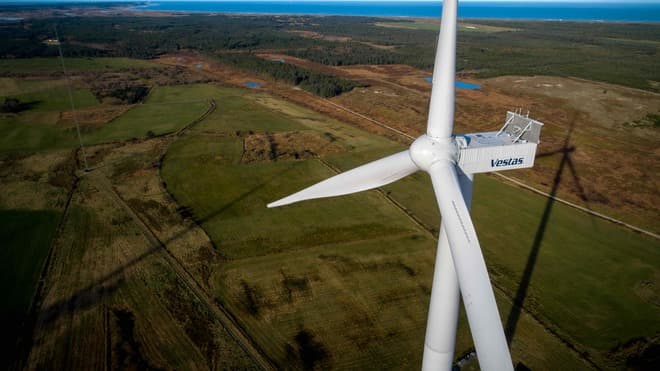
In Ringkøbing is one of Vestas' factories, in Brande is Siemens Gamesa, and outside Give is the tower factory Welcon. Outside Rødekro is SM-Industries, which can produce turbine towers. In other words, it is the backbone of the Danish wind turbine industry, which the port director wants to ensure good road connections to the Port of Esbjerg.
Although Esbjerg is secured with the work of shipping wind projects of the 13.5 GW until 2030, the port director is thinking further than that.
- It concerns 6,000 jobs in the hinterland to Esbjerg, and I hope that people remember the recommendations from the port partnership, says Dennis Jul Pedersen.
Green Power Denmark: It is critical infrastructure
At Green Power Denmark, Deputy CEO Jan Hylleberg is also in no doubt about the importance of the road network to the Port of Esbjerg.
- Access to the Port of Esbjerg is critical infrastructure, and this applies both from the sea and land side. Therefore, we call on the municipalities, the port and the Road Directorate, i.e. the state, to ensure it. It is crucial that we are ahead with the road network so that we can attract future production capacity, says Jan Hylleberg, who also makes no secret of where he sees the main responsibility:
- It is primarily the municipalities that must ensure that there is a gap all the way from the producer to the port. If you cannot ensure access, you cannot maintain production in Denmark. And this applies first and foremost to the municipalities of Vejle, Ikast-Brande and Esbjerg.
Jan Hylleberg is also a member of the port partnership, but does not comment here on the partnership's work and recommendations.
Text, graphics, images, sound, and other content on this website are protected under copyright law. DK Medier reserves all rights to the content, including the right to exploit the content for the purpose of text and data mining, cf. Section 11b of the Copyright Act and Article 4 of the DSM Directive.
Customers with IP agreements/major customer agreements may only share Danish Offshore Industry articles internally for the purpose of handling specific cases. Sharing in connection with specific cases refers to journaling, archiving, or similar uses.
Customers with a personal subscription/login may not share Danish Offshore Industry articles with individuals who do not themselves have a personal subscription to Danish Offshore Industry.
Any deviation from the above requires written consent from DK Medier.