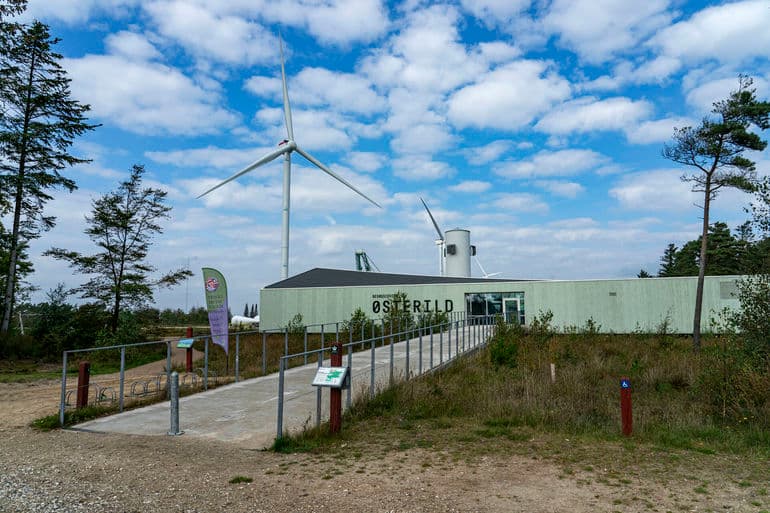
The decision comes after a thorough screening process that has taken several years. During the process, areas throughout Denmark have been examined, and the majority have been chosen due to local conditions, lack of infrastructure, the interests of the military – or because the area is not suitable for industry. This is stated in a press release by Green Power Denmark.
There are still two possible areas left - an area at Skærbæk close to the dam to Rømø and an area located north of the current test center in Østerild. The settlement circle has currently decided to only initiate an environmental study and market assessment in Østerild.
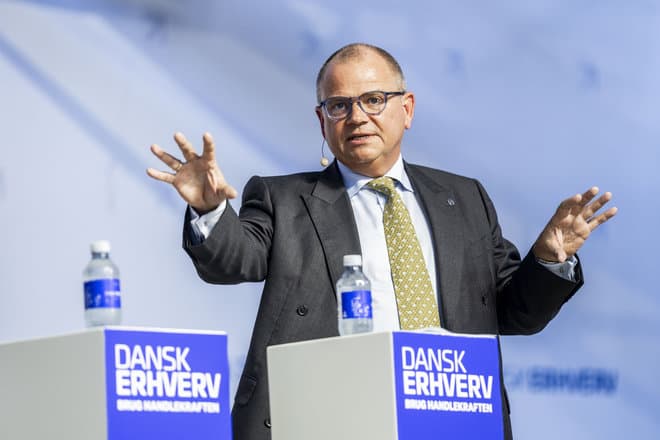
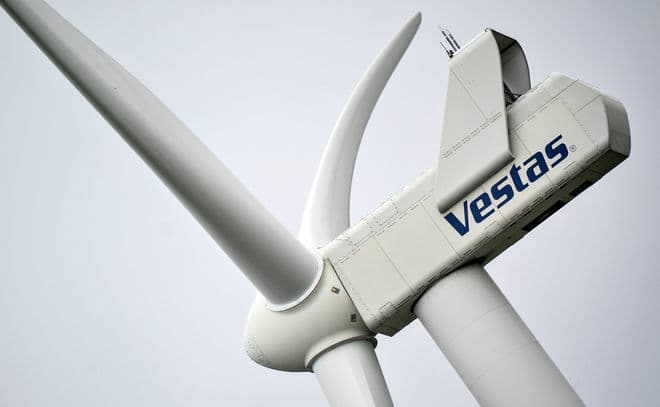
– Østerild is a good choice. There are the right wind conditions, and there is reasonable access to a harbor, so that the blades, towers and nacelles, which are the “house” on top of the turbine, can get to and from the test center without major inconvenience to the local population. At the same time, there is already a visitor center today, and the wind turbine manufacturers know the area, says Kristian Jensen, CEO of Green Power Denmark.
Wind turbine technology has undergone fantastic development over the past 50 years. Just 20 years ago, a modern wind turbine was approximately 100 meters high. Today, the largest turbines on the market are around 300 meters high to the top blade tip, and they produce enough electricity in one hour to cover the annual consumption of three to four households. But the development is constantly moving towards larger and more efficient wind turbines.
Three legs
– At the COP28 climate conference in December, the countries decided to triple the production of renewable energy by 2030. This will require an enormous number of wind turbines on both sea and land. And these turbines must of course be as efficient and reliable as possible, says Kristian Jensen.
– Competition from foreign companies is increasing, and there is no doubt that technological development will continue. That is why there is a need for the best testing facilities in Denmark, where the wind turbine industry can test turbines of up to 450 meters.
In Denmark, we have both development, testing and production of wind turbines. The three things are as dependent on each other as the legs of a three-legged stool. If you remove one leg, the stool will fall over.
– We have every opportunity to continue to be the world's leading manufacturer of wind turbines. But this requires that we have the right test facilities, so that there are also good conditions for developing and testing wind turbines in the future, says Kristian Jensen.
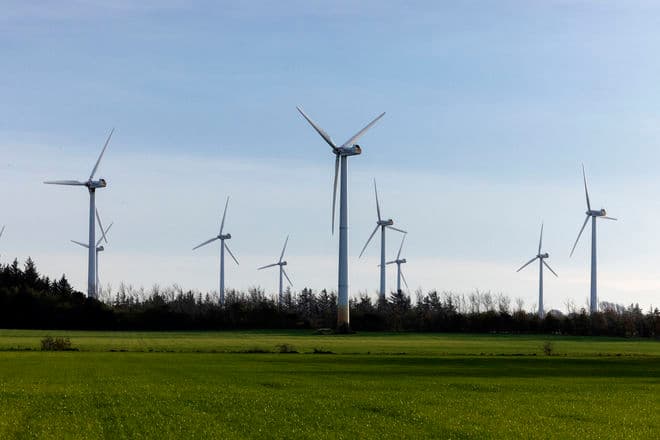
World-leading test facilities for prototype wind turbines will affect the local area. But Kristian Jensen reminds us that the current test center in Østerild has been a great benefit for both the environment and the local economy.
Test center bonus is up for grabs
Birds and other wildlife thrive much better today than they did in the plantation that was in the area before the wind turbines came. Employees and activities at the test center – and the many tourists who come by – create life and revenue in and around Østerild town.
– Someone is always affected when you build large facilities. There will be citizens around Østerild who will have to leave their houses because they live too close to the upcoming wind turbines. It can be a big burden for the individual, but they will be financially compensated, says Kristian Jensen.
For the closest neighbors who live very close to the test centers, there is a test center bonus, which the conciliation district proposes to increase.
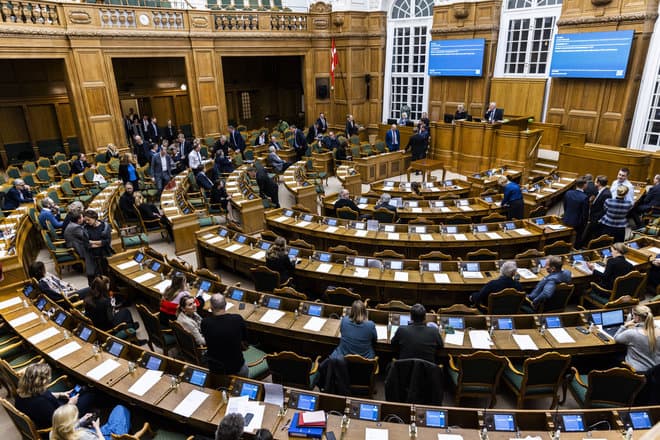
The Folketing has today decided to amend the Test Center Act, so that in special cases, exemptions from noise and distance requirements can be granted. This will mean that some neighbors can continue to live in houses that are otherwise about to be expropriated, if they wish to do so, and if they meet the requirements for exemption. The amendment to the law has been proposed at the request of the local area around Fjaltring at Høvsøre test center.
jel
Text, graphics, images, sound, and other content on this website are protected under copyright law. DK Medier reserves all rights to the content, including the right to exploit the content for the purpose of text and data mining, cf. Section 11b of the Copyright Act and Article 4 of the DSM Directive.
Customers with IP agreements/major customer agreements may only share Danish Offshore Industry articles internally for the purpose of handling specific cases. Sharing in connection with specific cases refers to journaling, archiving, or similar uses.
Customers with a personal subscription/login may not share Danish Offshore Industry articles with individuals who do not themselves have a personal subscription to Danish Offshore Industry.
Any deviation from the above requires written consent from DK Medier.