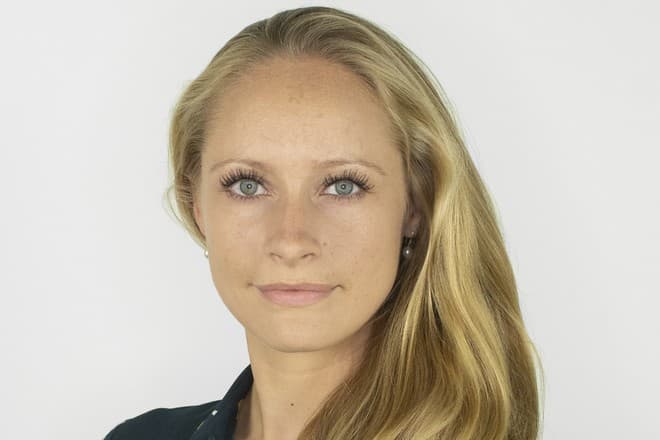
The green transition requires new ways of working, not least when it comes to co-creation and involving citizens. This is the opinion of Anne Tortzen, founder and head of the Center for Citizen Dialogue.
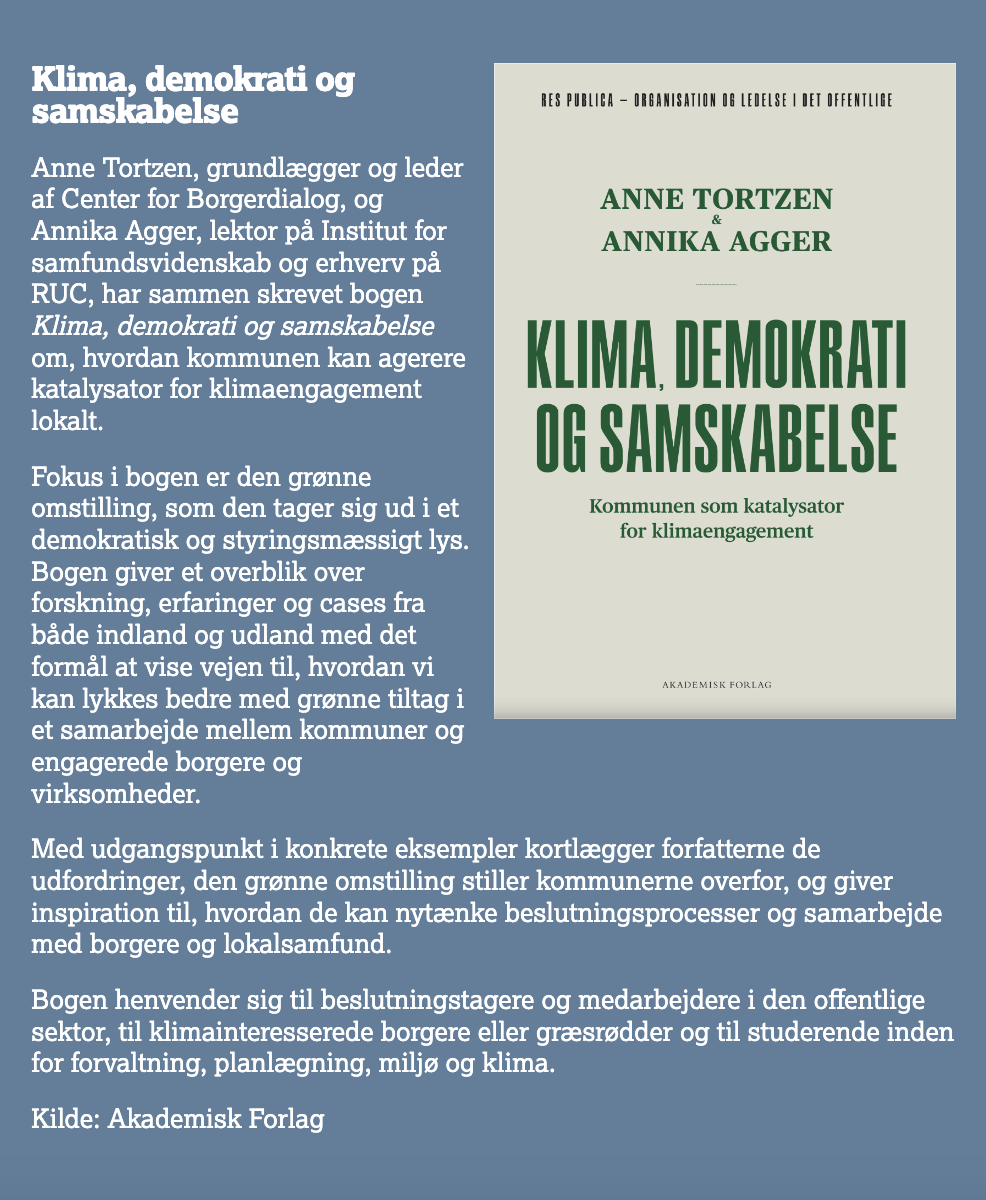
Together with Annika Agger, associate professor at the Department of Social Sciences and Business at RUC, she is currently working on a new book, Climate, Democracy and Co-creation, which examines how municipalities can collaborate with committed citizens and businesses.
If municipalities are to be successful with broad collaboration, it requires that they are ready to take alternative action:
- We are used to the difficult, heavy planning processes from the large construction projects with renewable energy plants. It is a heavy top-down approach that has not been changed much, explains Anne Tortzen.
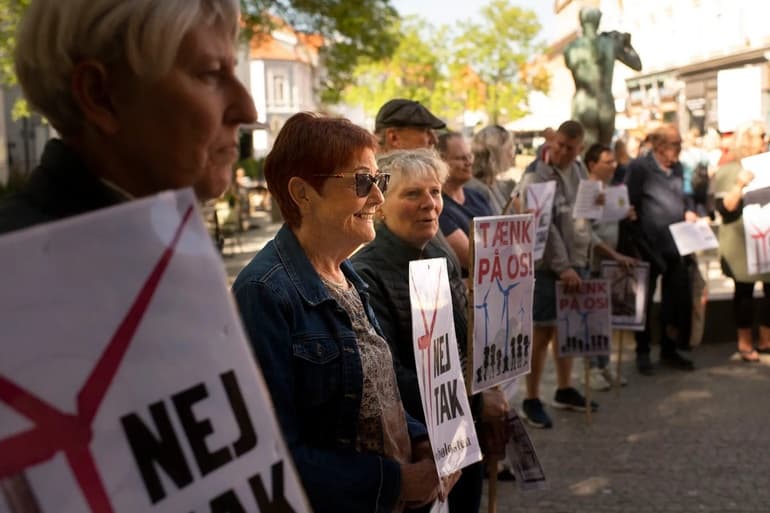
However, there are cracks in the old processes, and many municipalities are working on new ways of involving citizens and other stakeholders. This includes the use of task committees and citizen assemblies, which help bring citizens into the municipality's engine room.
- Municipalities have a dual role, where on the one hand they must continue to make demands on suppliers and partners, but at the same time also remember to help citizens' climate ambitions and efforts along the way and help make the projects bigger and stronger than if citizens had to do it all themselves.
In addition, there are several examples of projects where the classic top-down management is broken up, where citizens have taken the lead to a greater extent with support from the municipality, says Anne Tortzen:
- If we are to succeed, it requires that we metaphorically let 1,000 flowers bloom. In one of the municipalities I have visited, the motto is that the only wrong thing you can do in relation to green initiatives is to do nothing. So let's make room for as many initiatives as possible.
Cultivate citizen engagement
Anne Tortzen will not point to one method over another for how municipalities can accelerate the green transition together with citizens.
- Some decisions have such far-reaching effects that they cannot be left to a local area or citizens alone. Top-down regulation is also needed, explains Anne Tortzen.
For example, several municipalities are demanding clearer top-down regulation from the state, which has been working on a national screening in the past year with a view to planning and coordinating the establishment of 10-15 energy islands on land.
- Questions like 'What should we as a society use our land for?' require top-level management, emphasizes Anne Tortzen.
However, this does not mean that the authorities cannot usefully involve citizens in major issues such as prioritizing and implementing green solutions through citizens' assemblies and meetings.
Research shows that citizens in meetings are generally more progressive and ambitious than elected politicians, and the level of ambition from citizens increases as they gain more knowledge, says Anne Tortzen.
In addition, municipalities can reap many green projects and initiatives by freeing citizens and local communities in the green transition.
- We are generally not very good at trusting that citizens and local communities can help drive the green transition. You have to listen to where the citizens' commitment is, and they often have an enormous will to act where they are.
- It may not be something we can see in the large CO2 accounts, and the big decisions are made far away from the citizens, but it is democratically important as a citizen to experience that you can actually make a difference.
Wild with will
But have the municipalities been too poor to reap the will to act, which was to a certain extent expressed in the Climate Election in 2019 and the subsequent municipal elections?
There is no clear answer to that, says Anne Tortzen. She emphasizes, however, that municipalities continue to think too traditionally about their own and citizens' roles in the green transition. . There is a need to do away with that, says the author.
- We need a completely new way of thinking about the process and incorporating co-creation. The municipalities must to a much greater extent take on a role as midwives for green initiatives and let go of the rigid decision-making processes and management needs.
So far, this has only been successful in a few cases. Here are a few examples of how it has been possible to let 1000 flowers bloom: The Wild with Will project and Biosphere Møn – both initiatives where many different citizens contribute to increasing biodiversity locally.
The work of the municipalities is characterized by a high degree of seriousness and management, says Anne Tortzen, while the 'let 1000 flowers bloom' initiatives are characterized to a greater extent by the commitment of the citizens, supported by the state and the municipalities.
The many initiatives have sprouted across the country in an uncontrolled process, some would say like weeds, while others would call it wild nature.
- Basically, it's about having confidence that ideas, actions and solutions can come from places other than the systems we are used to. As a society, we must develop our traditional ideas about the role of politicians and citizens, where citizens can be allowed in, and what they can contribute. This also applies to municipalities to a large extent.
This article was originally published on DOI.dk's sister media Kommunen.dk.
Text, graphics, images, sound, and other content on this website are protected under copyright law. DK Medier reserves all rights to the content, including the right to exploit the content for the purpose of text and data mining, cf. Section 11b of the Copyright Act and Article 4 of the DSM Directive.
Customers with IP agreements/major customer agreements may only share Danish Offshore Industry articles internally for the purpose of handling specific cases. Sharing in connection with specific cases refers to journaling, archiving, or similar uses.
Customers with a personal subscription/login may not share Danish Offshore Industry articles with individuals who do not themselves have a personal subscription to Danish Offshore Industry.
Any deviation from the above requires written consent from DK Medier.