Experts on sustainability in tender materials :
No need to be afraid of touch – but something is important

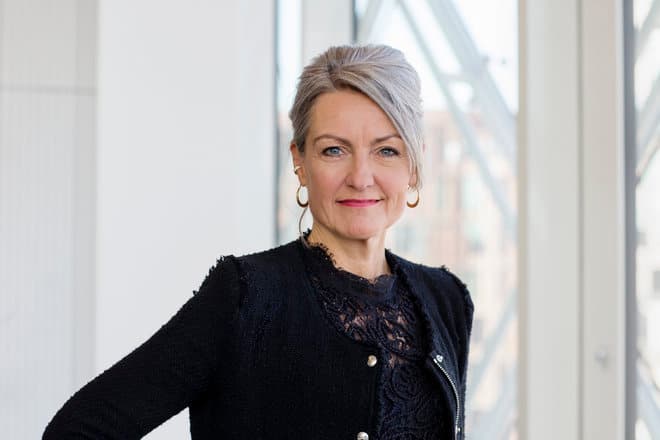
Integrating sustainability into tender materials is a key topic at Energiforum 2024, and the experts agree: There is no need to be afraid of the subject. Signe Sønderskov, director at Domea responsible for construction and urban development, is clear.
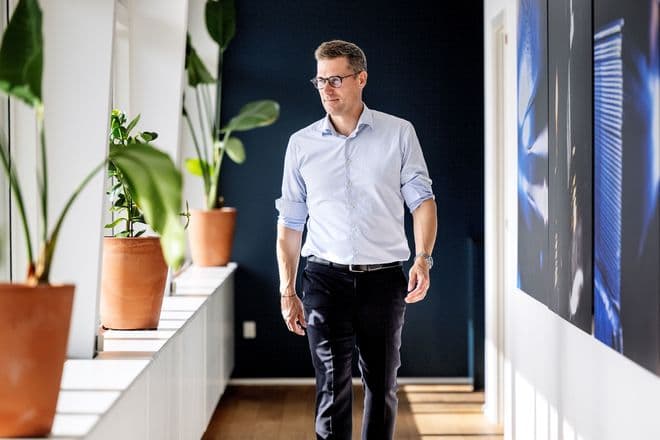
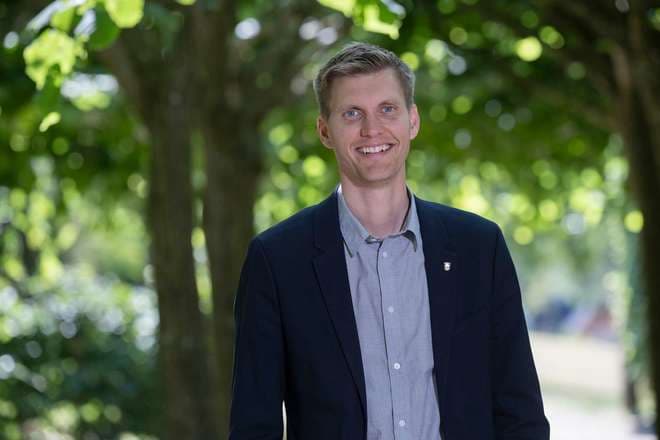
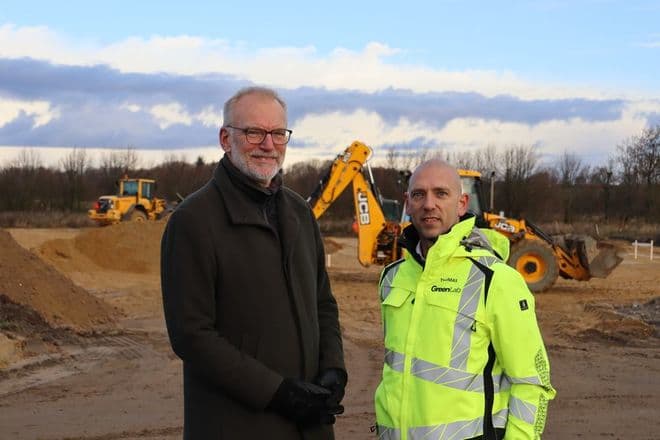
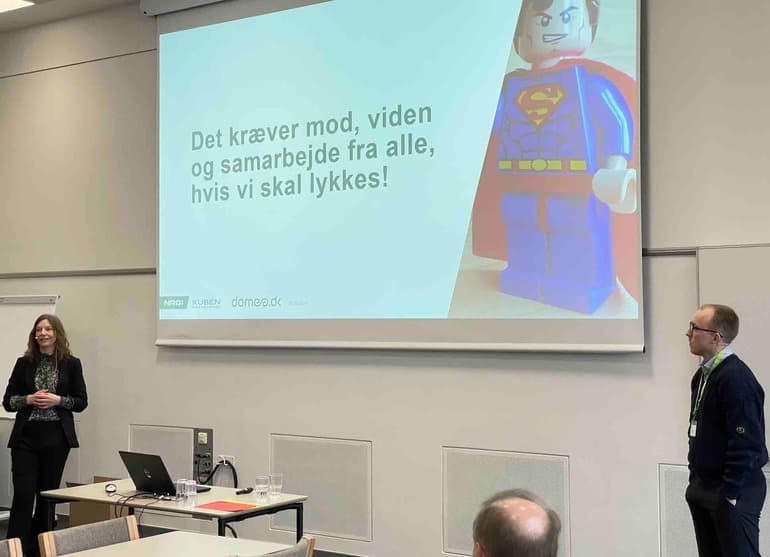
- We do not believe that tenders are an obstacle to achieving sustainability in construction, says Signe Sønderskov, who is flanked by procurement lawyer Aleksander Soelberg from Kuben Management.
Sønderskov emphasizes that sustainability in construction raises many questions.
- There are many human factors in it. Do I dare, do the politicians dare and, for example, which materials can be recycled. It could be bricks, she explains.
Aleksander Soelberg adds a perspective on responsibility.
- You have to be clear about who is responsible if these bricks are not doing well after five years, explains Aleksander Soelberg.
Both experts agree that it is essential to start implementing sustainability in the tender process.
- You need to spend some time on sustainability in your tender as a developer. For example, you don't build a school without knowing whether you want small or large classrooms, says Signe Sønderskov and adds:
- You have to be sharp to have control over this, but it's not the framework that is an obstacle.
Clear and unambiguous
As a public developer, you need extensive knowledge about sustainable tenders.
- It requires quite a lot of knowledge, and you have to figure out what you want. The tender materials must be clear, and you have to know in advance whether this is a development project or do I know what I want, explains Signe Sønderskov.
For developers who are still unsure of their precise needs, Aleksander Soelberg highlights an alternative approach.
- There is an opportunity in the legislation for a market dialogue. Here, patience and respect are important, and there must be equal treatment, openness and transparency, says Soelberg, after which Signe Sønderskov emphasizes:
- It is extremely important to ask the critical questions in the market dialogue.
It is crucial to document conversations in this phase.
- This means, for example, that minutes must be kept of the meetings between in this process.
When it comes to evaluating offers, openness and transparency are key words.
- Here, it must also be visible and open how an offer is evaluated, says Signe Sønderskov.
Text, graphics, images, sound, and other content on this website are protected under copyright law. DK Medier reserves all rights to the content, including the right to exploit the content for the purpose of text and data mining, cf. Section 11b of the Copyright Act and Article 4 of the DSM Directive.
Customers with IP agreements/major customer agreements may only share Danish Offshore Industry articles internally for the purpose of handling specific cases. Sharing in connection with specific cases refers to journaling, archiving, or similar uses.
Customers with a personal subscription/login may not share Danish Offshore Industry articles with individuals who do not themselves have a personal subscription to Danish Offshore Industry.
Any deviation from the above requires written consent from DK Medier.