


Havnedirektør: Det er en ekstrem arrogant dansk holdning
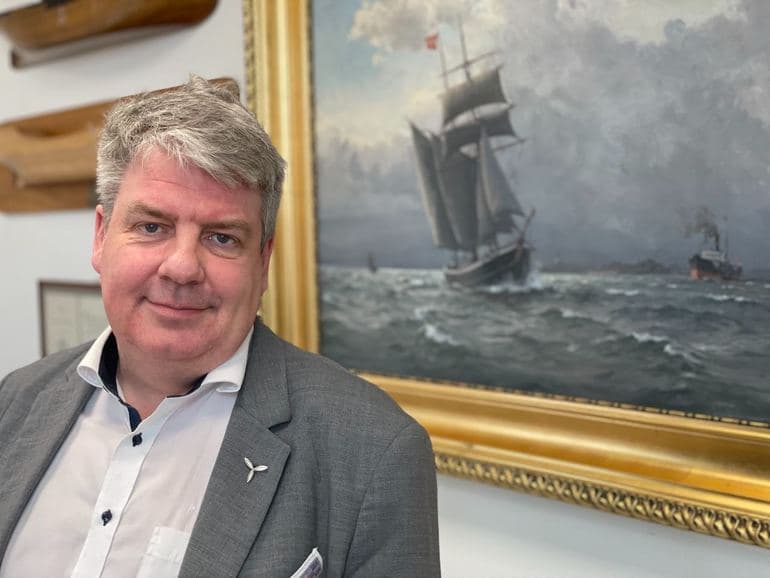
Analysen er klar og tydelig hos Esbjerg Havns direktør, Dennis Jul Pedersen. Der er behov for, at Danmark kigger ud og ser, hvordan havnene bliver reguleret i det europæiske udland.
De seneste par år har specielt to danske havne trukket negative overskrifter på grund af deres dårlige økonomi. Gælden efter havneudvidelsen i Hanstholm tynger kommunen med en gæld på omkring 500 mio. kr., og i Frederikshavn beløber gælden sig til omkring 1,5 mia. kr.
I Danmark er det alles kamp mod hinanden i havneverdenen, hvilket er med til at starte en negativ spiral, hvis der bliver overinvesteret i havneudvidelser i håbet om at tiltrække mere arbejde og vækst. Helt galt går det, hvis investeringerne ikke kommer til at give et afkast.
- Udvikling er ikke meget værd, hvis den ikke sker på en koordineret måde. Man skal se, at der f.eks. ikke kommer mere godt af at flytte fra den ene til den anden kommune. Vi trækker ikke mere vækst til Danmark ved at overinvestere i havnene, siger Dennis Jul Pedersen og kommer med et konkret eksempel:
- Et eksempel er Royal Arctic Line, der flyttede fra Aalborg Havn til Aarhus Havn. Hvem har en fordel af det, hvis der havde været ens priser i de to havne?
Det har også en indvirkning på hele landet.
- Der er et system i dag, hvor man kigger på bundlinjen i den enkelte havn frem for at skabe udvikling for Danmark generelt, siger Dennis Jul Pedersen, der dog har konstruktive forslag til, hvordan det kan ændres.
- Jeg foreslår, man kigger ud i Europa. Det håber og ved jeg, at Transportministeriet gør, siger Dennis Jul.
Havnedirektøren færdiggjorde sidste år en doktorgrad i virksomhedsadministration fra University of Liverpool, og han havde i forvejen en MBA fra 2011.
De gør det bedre end Danmark
I det europæiske udland er der allerede i dag en koordinering, der sikrer, at havnene ikke konkurrerer mod hinanden i de enkelte lande.
- I Frankrig bliver havnenes priser og investeringsønsker sendt ind til trafikministeriet, der sikrer ens priser og, at havnene ikke konkurrerer mod hinanden, forklarer han og vender sig mod Danmarks nabo mod syd:
- Og i Tyskland har man en fast prissætning, hvor delstaterne regulerer og bestemmer prissætningen.
Sådan er det også i Polen.
- I Polen har de et tilsynsråd i hver havn, der kigger på de beslutninger, der bliver taget, så priserne f.eks. ikke bliver sat for høje, fortæller Dennis Jul Pedersen.
Konklusionen er klar og tydelig om, hvorfor Danmark skal kigge ud i Europa.
- Det er rimeligt basalt; der skal være en styring af havnene og deres investeringer. Det er ekstremt arrogant, at man i Danmark ikke tror, man kan lære noget fra Tyskland, Frankrig og Polen, slår Dennis Jul Pedersen fast og påpeger:
- Vi kan starte med at følge EU’s havneforordning, hvor der står, at hver havn skal have et advisory board. Mig bekendt er det ikke alle danske havne, der har et.
Hvor den nødvendige viden og ekspertise skal komme fra, har havnedirektøren også et svar på.
- Der er nogle meget, meget dygtige jurister i trafikministeriet. Ingen gider at høre på dem, selvom de har den nødvendige viden. De ved, hvad der foregår ude i Europa, siger Dennis Jul Pedersen.
Vækst eller flere fejlinvesteringer
Havnedirektøren er også overbevist om, at Danmark kommer til at se flere havne, der kommer i en lignende situation som nogle danske havne.
- Det drejer sig om at sikre, at der ikke bliver fejlinvesteret, som vi har set det med nogle danske havne. Hanstholm er et typisk eksempel, og Frederikshavn er heller ikke et ukendt eksempel. Et andet er den lille havn på Rømø her syd for os, fortæller Dennis Jul Pedersen.
Men det hele begyndte faktisk tilbage efter finanskrisen i 2009 og dønningerne derefter.
- I 2013 begyndte man i EU at se havnene som vækstmotorer, og støtteprogrammerne begyndte at komme, fortæller han, om noget der endte med at have en betydning:
- Derefter blev havnene mere og mere effektive. Rotterdam er rykket ned fra at være verdens største havn. Nu ligger de største havne i verden i Kina, hvor virksomhederne ligger i baglandet.
Der er endda stor sandsynlighed for, at havnene har en betydning for beskæftigelsen.
- I Storbritannien er der lavet analyser, der viser, at et job i havnen giver et job i baglandet, forklarer havnedirektøren, der sidder med ansvaret for en havn, som er godt positioneret.
- Esbjerg har ligget godt i forhold til den grønne omstilling, og vi ligger også godt i forhold til NATO, siger Dennis Jul Pedersen.