Although the Ministry of Climate in a recently published projection estimates that Denmark is close to achieving the climate target for 2030, there are still significant uncertainties. This is because a large part of the new climate gains come from changed calculation methods. Agricultural lowland soils are therefore now assumed to emit less, while forests' absorption of CO2 is estimated to be higher.
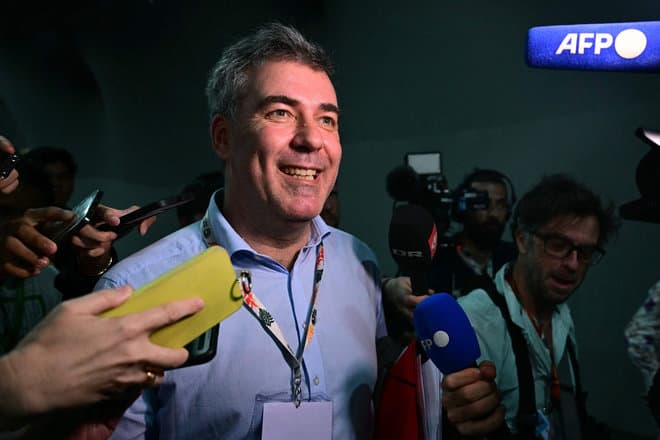
- These are figures for which the researchers behind them have pointed out very large uncertainties, so we must be careful not to say that we are almost at the target, says Karsten Capion, senior analyst at the green think tank Concito.
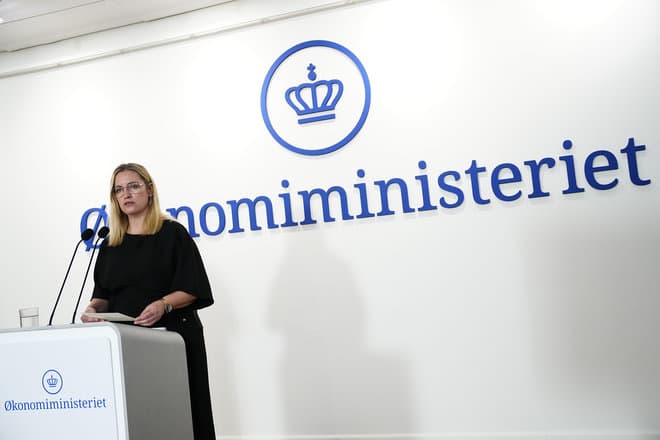
On Tuesday, the Ministry of Climate presented the new climate projection of how Denmark's emissions and reductions of greenhouse gases are expected to move in the coming years.
Here, the ministry estimates that Denmark will have reduced 68 percent in 2030. of our emissions compared to 1990. The climate target for 2030 is a 70 percent reduction, and the remaining distance may therefore seem short.
But the new gains hide a number of uncertainties. For example, a storm could topple the trees that are now estimated to store more CO2 and thus instead complicate the climate accounting.
Calls for change in all sectors
All sectors in Denmark should therefore implement a more structural change, where the polluting sources are removed or changed to a climate-friendly practice, Concito points out. This will eliminate the risk that the calculation methods will later be updated in a more negative direction and create a longer path to the climate target.
Such a movement is seen in the transport area, Karsten Capion assesses. Here, the ministry's new climate projection shows, for example, that there will be significantly more electric cars in the coming years.
This year's climate projection shows that transport will emit around two million tons of CO2 less than was thought last year. Concito acknowledges this premise.
- This is one of the elements that indicates that a structural change is underway that will provide lasting and safe reductions. That is what works and what we would like to see in all sectors, says Karsten Capion.
He therefore points out that agriculture is the remaining sector that needs to be addressed. The new climate projection estimates that a total of 3.6 million tons of CO2 less will be emitted than was thought last year. But behind that figure lie several upward and downward adjustments of various areas, which underline the uncertainties.
There have been downward adjustments in the expectations for emissions of 5.8 million tons of CO2. At the same time, higher emissions are expected elsewhere, totaling 2.2 million tons. For example, the waste sector is estimated to emit one million tons of CO2 more this year than it did last year.
- This also points to the uncertainties, says Karsten Capion.
/ritzau/
Text, graphics, images, sound, and other content on this website are protected under copyright law. DK Medier reserves all rights to the content, including the right to exploit the content for the purpose of text and data mining, cf. Section 11b of the Copyright Act and Article 4 of the DSM Directive.
Customers with IP agreements/major customer agreements may only share Danish Offshore Industry articles internally for the purpose of handling specific cases. Sharing in connection with specific cases refers to journaling, archiving, or similar uses.
Customers with a personal subscription/login may not share Danish Offshore Industry articles with individuals who do not themselves have a personal subscription to Danish Offshore Industry.
Any deviation from the above requires written consent from DK Medier.