Denmark may be very close to meeting the 2030 climate target of a 70 percent reduction in greenhouse gas emissions. The Ministry of Climate's new projection estimates that emissions in 2030 will be reduced by 68 percent compared to the base year 1990. Last year, the assessment was that with the political initiatives at the time, a 63.1 percent reduction would be achieved in 2030.
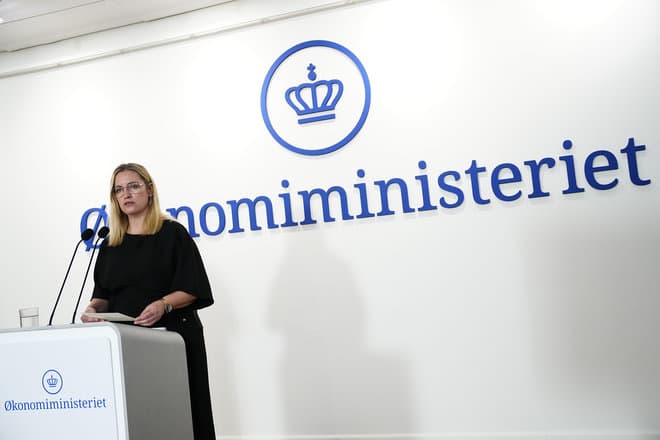
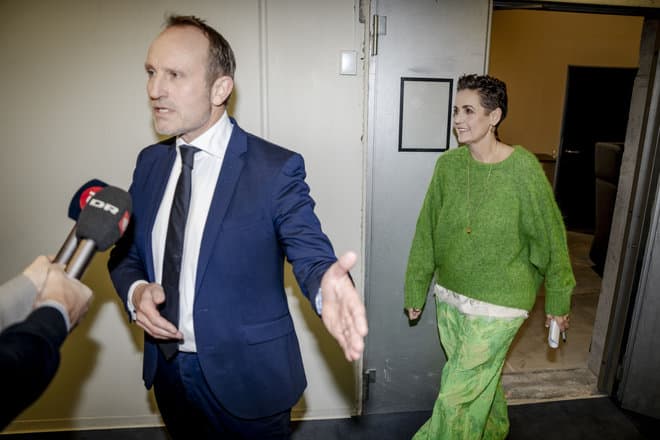
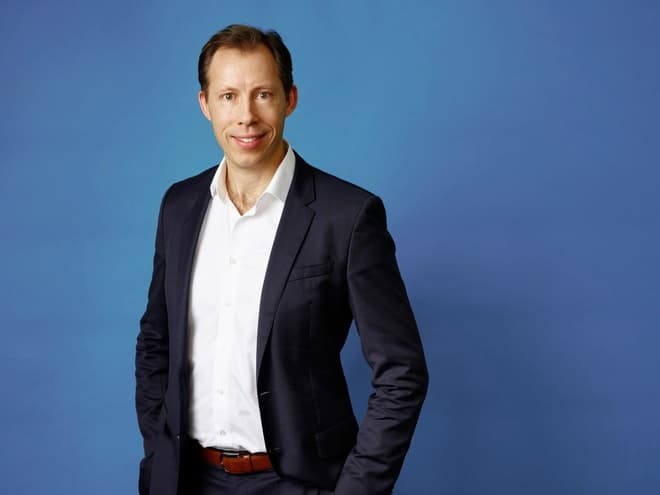
- This shows that we will very certainly reach the 2025 target, and that we are closer to reaching the 2030 target than we expected last year, says Minister of Climate Lars Aagaard (M).
The Ministry's new projection also shows that the 2025 target of a 50-54 percent reduction will be met by 55.5 percent. The big jump is mainly due to the fact that several models for measuring climate footprints have been updated.
The climate profile from agricultural lowlands and forests has changed since last year. It is now assumed that lowlands emit less greenhouse gas and that forests absorb more than was assumed last year. The two elements together provide reductions of 3.4 million tons of CO2.
At the same time, sales of electric cars have exceeded expectations, which has increased the reductions in the projection. This results in a 0.8 million ton CO2 reduction.
Sweden has also lowered the diesel tax, and with the Danish Parliament's new diesel tax, it is expected that more people will therefore refuel in Sweden than in Denmark, benefiting the Danish climate accounts.
New calculation models help
Climate Minister Lars Aagaard maintains that the improvements are mainly due to political initiatives.
- It is driven by an undercurrent of political decisions such as the CO2 taxation of industry, changed car taxation and the expectations of the very large subsidies for CO2 storage, he says.
However, the minister acknowledges that new calculation models are part of the explanation.
- It is clear that this year too we have become more aware of how nature behaves.
Both the current and The previous government has been continuously criticized for basing its climate action on technical solutions that may prove to be uncertain. In particular, the new and untested technology behind CO2 capture and storage has caused uncertainty.
The criticism gained new momentum when one of the government's tenders for reductions from precisely that technology recently turned out to provide a smaller climate benefit than planned. This has also been included in the projection as an element that shifts the picture.
There is also uncertainty associated with the new calculation models for, for example, CO2 absorption by forests. For example, a storm can topple trees and thereby destroy millions of tons of CO2 storage.
Projections can change
Lars Aagaard emphasizes that the new climate projection is based on assumptions that can change.
- It is important to state that this is a projection that assumes that a lot of things will happen, as the experts have now made the projection, he says.
Therefore, there is a need to constantly monitor developments, for example for CO2 capture and storage, to ensure that the expected reductions are followed.
- You cannot say on the basis of this that we should sit back.
The new gap to the 2030 target is 1.5 million tons of CO2. Last year it was 5.4 million tonnes. Agriculture in particular is still lacking new plans to reduce its emissions. This is expected to be implemented through a greenhouse gas tax, which is currently being negotiated in the so-called green tripartite.
Agriculture will account for around half of future emissions.
- The new expectations do not change the fact that we must accelerate the transformation of agriculture, says Lars Aagaard.
/ritzau/
Text, graphics, images, sound, and other content on this website are protected under copyright law. DK Medier reserves all rights to the content, including the right to exploit the content for the purpose of text and data mining, cf. Section 11b of the Copyright Act and Article 4 of the DSM Directive.
Customers with IP agreements/major customer agreements may only share Danish Offshore Industry articles internally for the purpose of handling specific cases. Sharing in connection with specific cases refers to journaling, archiving, or similar uses.
Customers with a personal subscription/login may not share Danish Offshore Industry articles with individuals who do not themselves have a personal subscription to Danish Offshore Industry.
Any deviation from the above requires written consent from DK Medier.